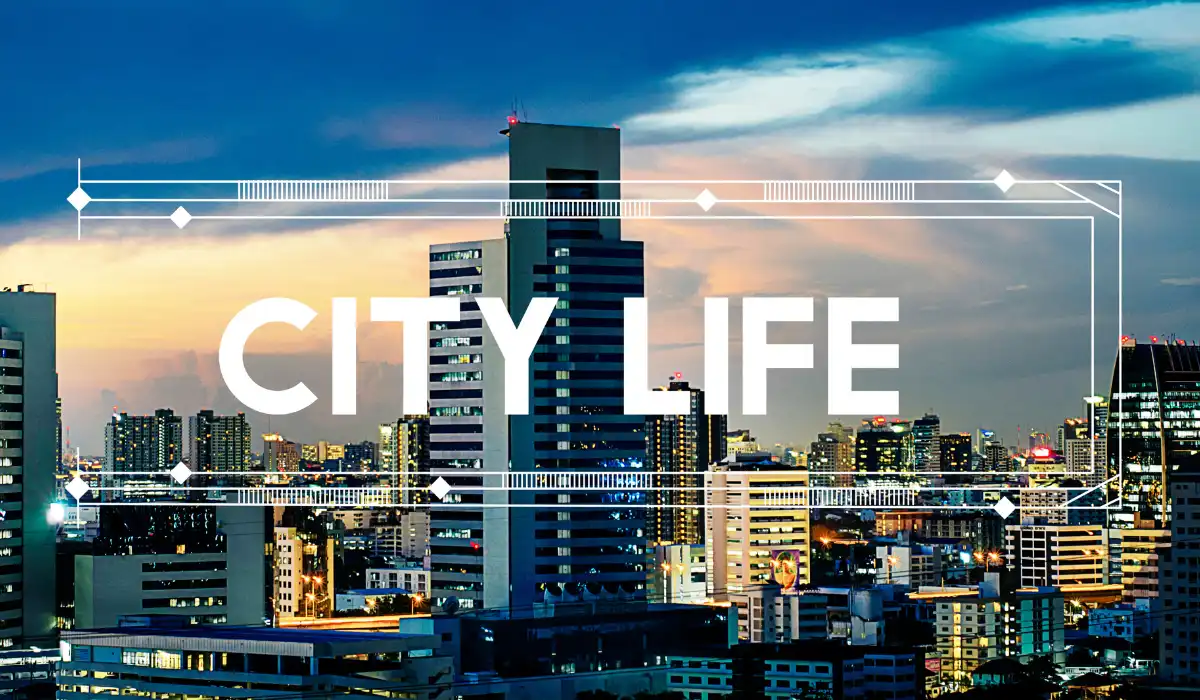
“Smart cities are transforming urban life through the incorporation of new technologies and sustainable urban development. These changes are having a substantial impact on real estate ultimately raising property prices, improving quality of life, and creating new opportunities for investment. ”
Introduction to Smart Cities
Smart cities leverage technologies to improve urban living, sustainability, and service efficiencies, all of which require a synergy between cutting-edge technology and sustainable finalists. By using IoT devices, artificial intelligence, and data analytics, smart cities are rethinking urban living and how to provide services and maintain efficient systems, including traffic, energy consumption, waste management, and public safety. Smart cities often focus on green infrastructure and renewable energy to limit their environmental footprints. Technology used by smart cities can include anything from smart CCTV and AI-based emergency response technology tointelligent transport as part of an upgrade to improve day-to-day life for those urban dwellers.
Impact on Real Estate Markets
Smart cities can have an immediate impact on real estate prices and demand. They are attractive to new home buyers and businesses based on their superior infrastructure, better quality of life, and an eye towards sustainability. Properties within a smart city generally command a price premium than a non-smart city-like area due to the trusted eco-friendly systems and technological integration available to residents/businesses.
|
Feature |
Impact on Real Estate |
|
Advanced Infrastructure |
Increases property prices |
|
High Quality of Life |
Stimulates demand from residents/base businesses |
|
Sustainability Focus |
Increases premium on property values |
Opportunities for Real Estate Investors
- Benefits of investing in smart cities include:
- Increased property prices
- Stable rental income streams
- Continuous demand for all layers of commercial and residential spaces
Smart cities create a mixed-use urban development environment. It produces interconnected residential, commercial and recreational spaces that result in walkable neighbourhoods containing vibrant communities with less commuting.
Smart City Development Approaches
The Indian Smart Cities Mission utilises three methods of development, preparatory regimines for future development of sustainable cities as highlighted below:
|
Approach |
Description |
Example |
|
Area-Based Development |
Transformation of individual urban area |
Bhendi Bazaar, Mumbai |
|
Pan-City Development |
City-wide solution to individual urban area, in the smart solution |
Smart traffic systems |
|
Greenfield Development |
Integration of smart functions into new cities |
GIFT City, Gujarat |
All essentially reinvent their urban modules, creating new smart infrastructure clearly defining liveability and city economies.
Technical Integration: IoT & Data Analytics
Smart cities use the Internet of Things (IoT) and information derived from real-time data analytics to monitor energy utilization, air quality, parking, and occupancy to enable:
- Effective energy utilization
- Optimized public services
- Improved emergency response
This level of technological integration represents an improvement not only in urban planning but also for residents with the ability to provide a seamless and intelligent way of life.
Emerging Trends in Smart Real Estate
Smart Buildings: Buildings designed with IoT integration to provide automated lighting, climate control, and security.
PropTech Innovation: Startups are deploying virtual products and tools powered by artificial intelligence for apartment and/or real estate analysis and digital transactions.
Data-Driven Investing: A comprehensive, real-time repository of urban data helps investors understand new areas of opportunity while detailing property trends and supporting local site selection processes.
Sustainability and Green Buildings
Sustainability is an essential aspect of smart cities. Real estate developers are embracing green building processes, including:
- Integration of renewable energy sources
- Utilization of sustainable building materials
- Recognition and certification by the Leadership in Energy and Environmental Design (LEED)
Hearing about features such as these helps reduce the carbon footprint while increasing future value of property, ensuring aligned opportunities for projects in this space.
Mixed-Use Developments
Smart city planning best supports agile, mixed-use development (residential, commercial, and leisure built together in case). To pursuit this objective encourages:
- Walkable neighborhoods
- Reduced traffic congestion
Conclusion
Smart cities are changing real estate by combining technology, sustainability, and urban planning. Smart cities are creating new standards in livability, investment opportunity, and advancement in real estate as they develop and grow. For developers, investors, and policymakers, smart cities represent a strategic opportunity to rethink urban growth while maintaining environmental and technological resiliency. These advances should be embraced to influence the future of urban development and reshape the urban landscape.